
Choosing the right keywords for your painting contractor marketing is one of the fastest ways to improve SEO results because keywords determine what pages you build, what you write, and what Google believes you’re the best answer for. While Search Engine Optimization isn’t everything it’s one of the best marketing strategies you can invest your time into.
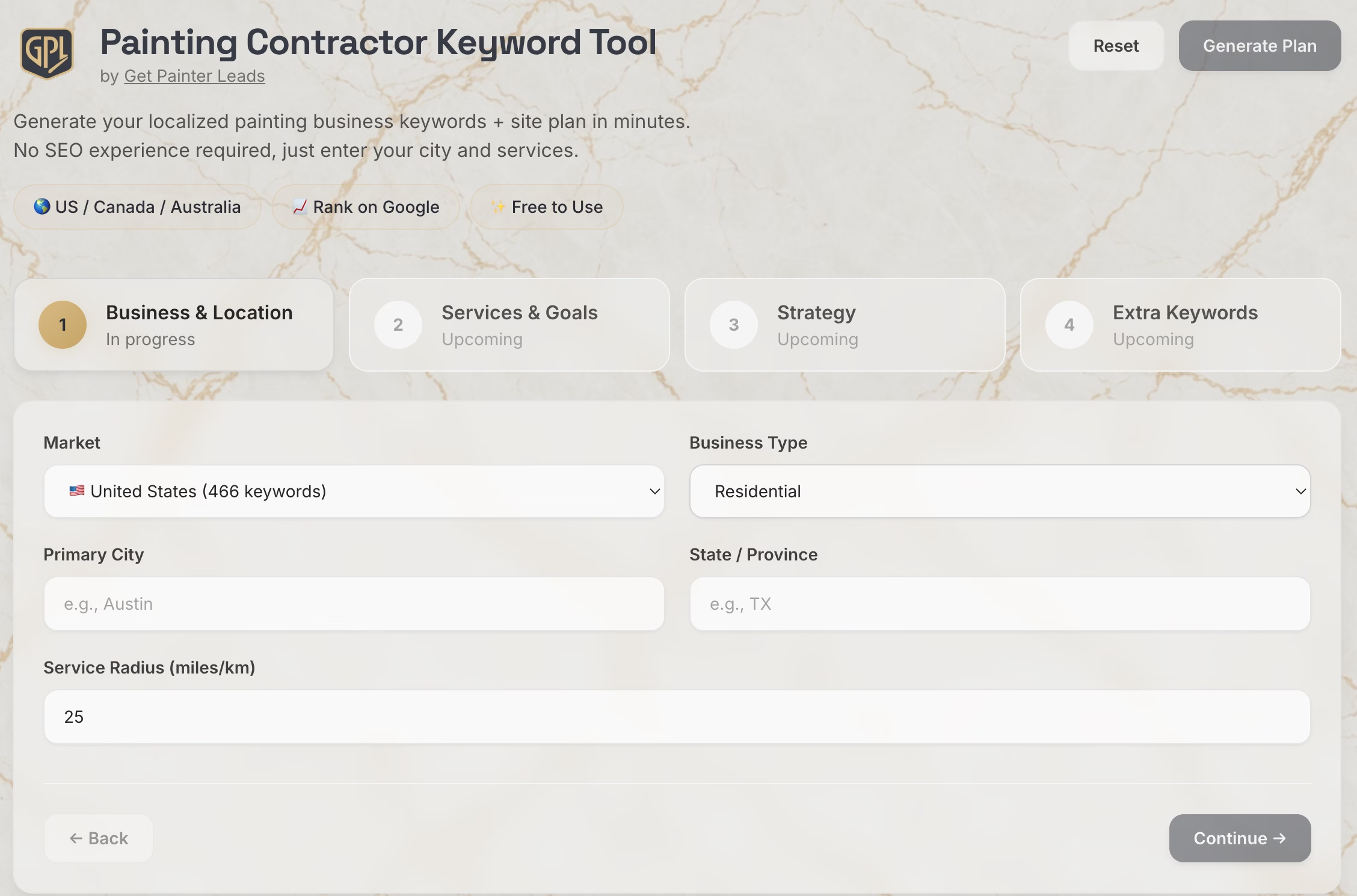
Most painters make one of two mistakes:
- They target keywords that are too broad and compete with everyone
- They scatter the same keywords across multiple pages and confuse Google
Continue to learn how to organize painting keywords by intent, how to map them to pages, and how to build a keyword plan that turns into real estimate requests.
If you’d like to see some of our past work, check out our Keyword Case Studies.
Turn Your Keyword List Into Pages That Actually Rank
Having a keyword list isn’t enough. This tool shows you how to organize painting contractor keywords into clusters, assign them to specific pages, and avoid confusing Google with overlapping content.
What Keywords for Painting Contractors Means
A keyword is not just a word you place on a page. It’s a signal of intent.
When someone searches:
- interior house painting [city]
they want a painter now.
When someone searches:
- how much does it cost to paint a house interior
they’re researching and qualifying.
When someone searches:
- best exterior painters near me
they’re comparing options.
Your job is to align your pages with these intents. That’s how you get leads that converts.
The 4 Keyword Types Painters Should Build Pages For
Instead of keeping one long keyword list, organize by type:
1) Service + location keywords for highest intent
These are your money keywords because they often convert into calls.
Examples:
- interior house painting [city]
- exterior house painting [city]
- cabinet painting [city]
- house painters [city]
These should map to service pages, location pages, and sometimes even social media pages.
2) Near-me and comparison keywords (competitive but valuable)
Examples:
- house painters near me
- best painters near me
- local painters near me
These are influenced heavily by Google Maps, reviews, and trust signals. All of which impact your website’s SEO.
3) Problem-based keywords (high conversion when targeted)
Examples:
- paint peeling on exterior house
- smoke stain painting
- repaint after water damage
These can become specialized service pages or strong blog posts that funnel into service pages.
4) Pricing and planning keywords (qualification intent)
Examples:
- cost to paint a room
- cost to paint exterior
- how long does interior painting take
These attract researchers, but they can still convert into leads if your page includes clarity and a next step.
How to Map Keywords to Pages Without Cannibalizing

Keyword cannibalization happens when multiple pages of the same website target the same intent. Google doesn’t know which one to rank, so none rank well.
Here’s a simple mapping rule:
- One page = one primary intent
Example mapping:
- Interior Painting page targets “interior house painting [city]”
- Exterior Painting page targets “exterior house painting [city]”
- Cabinet Painting page targets “cabinet painting [city]”
Then supporting articles link to the primary page without trying to outrank it.
If your blog post and service page both try to rank for “interior house painting [city],” you’re competing with yourself.
A Starter Keyword List Painters Can Actually Use
You don’t need 500 keywords to start. You need a structured set that matches your advertised services.
Core service keywords
- interior house painting
- exterior house painting
- cabinet painting
- trim and doors painting
- residential painting
- commercial painting (if applicable)
Trust and hiring intent keywords
- licensed painters
- insured painters
- local house painters
- professional painters
Project-specific keywords
- repaint walls and ceilings
- paint kitchen cabinets
- paint siding and trim
- paint fence and deck (if offered)
Use these as categories and then localize them by city/service area to help with your lead generation.
How to Use Keywords on a Page Naturally
You don’t need to repeat a keyword 30 times. You need to place it where it matters and support it with related language.

Use keywords in:
- the page title (title tag)
- H1 and a relevant H2
- the first 100–150 words (naturally)
- image alt text where appropriate
- internal links (anchor text variations)
- meta description (optional but helpful)
Then write like a human. Google is far better at understanding context than it used to be. Keyword stuffing hurts more than it helps and they notice it right away. Stuffing also hurts your potential customers’ experience, so they’ll be less likely to use you.
The Fast Keyword Research Shortcut for Painters
If you don’t have a tool, here’s a simple shortcut:
- Type your service into Google and see autocomplete
- Scroll to the People Also Ask section
- Scroll to the Related Searches section
- Check what competitors have pages for (service + city)
This quickly reveals what homeowners actually type into Google and will also be useful when crafting copy for your digital marketing campaigns.
FAQ: Keywords for Painting Contractors
How many keywords should a painting contractor target?
Start with a small set of high-intent service keywords that match your core offerings. Build strong pages for those first, then expand into supporting topics over time.
What are the best keywords for painting contractors?
The best keywords are typically service + location terms that match intent, such as interior painting, exterior painting, cabinet painting, and house painters in your city or service area.
Should I put the same keywords on every page?
No. Each page should target one primary intent. Repeating the same keyword focus across pages can cause keyword cannibalization and weaken rankings.
Do blog posts help painter SEO?
Yes, when blog posts support your service pages. They should answer related questions and link back to the main service page rather than competing for the same keyword.
How do I know if a keyword will bring real jobs?
Look for keywords with strong hiring intent: service terms, location modifiers, and phrases that imply the homeowner is ready to get an estimate.