
Facebook ads for painters work well but only if you treat them like a lead system, not boosted posts. Most contractors shart the bed on Facebook for one reason: they run ads without a filtering method, then complain that the leads are bad.
Facebook is a volume platform. Your job is to shape that volume into quality by using the right ad structure, the right lead form questions, and a follow-up process that moves homeowners into booked estimates quickly.
Let’s go deep on how to run Facebook ads for painters properly, with a focus on generating real painting leads and not vague clicks.
What Makes Facebook Ads Different for Painting Leads
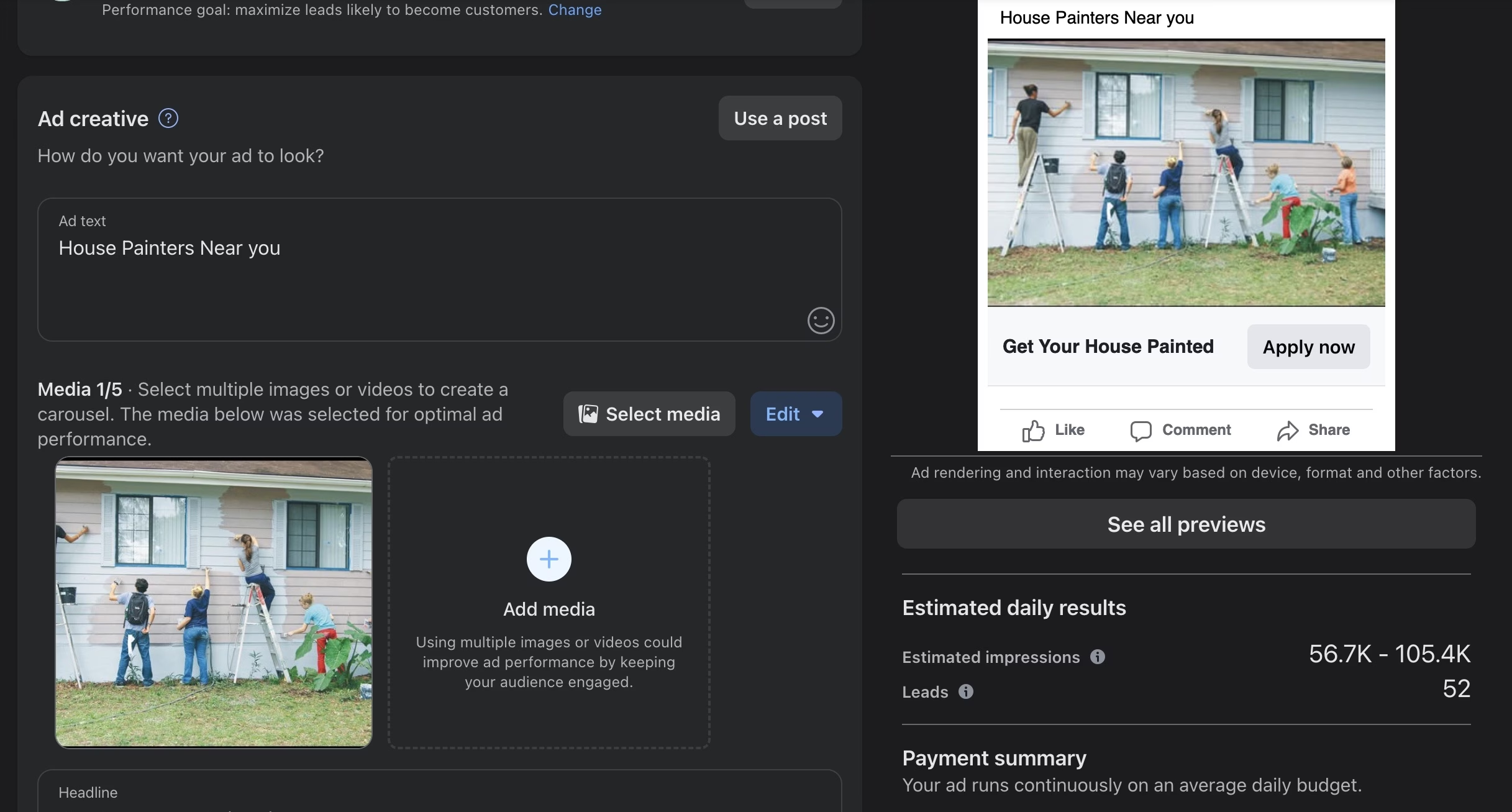
Facebook is not search. Your future customers aren’t typing “hire painter”. They’re doom scrolling, because they are addicted to content consumption. This means your ad must do three things fast:
- Stop the scroll with a eye-catching visual
- Make the project feel familiar (that’s my kitchen / my living room / my siding)
- Make the next step effortless
When you do that, Facebook can still be one of the fastest channels for residential painting leads.
The Best Facebook Ad Structure for Painters
If you want stable results advertising, don’t run one broad campaign that covers everything. Use a simple structure like:
Campaign 1: One project type (interior)
Focus: interior repaints and refresh projects
Why: homeowners decide quickly and booking is easier
Campaign 2: One project type (exterior)
Focus: exterior seasonal work
Why: higher ticket but more timing dependent
Campaign 3: One project type (cabinets)
Focus: kitchen transformations
Why: strong emotional hook, great before/after performance
Keep the targeting & creative separate so Facebook can learn and qualify your leads properly.
Creative That Actually Works for Painters on Facebook
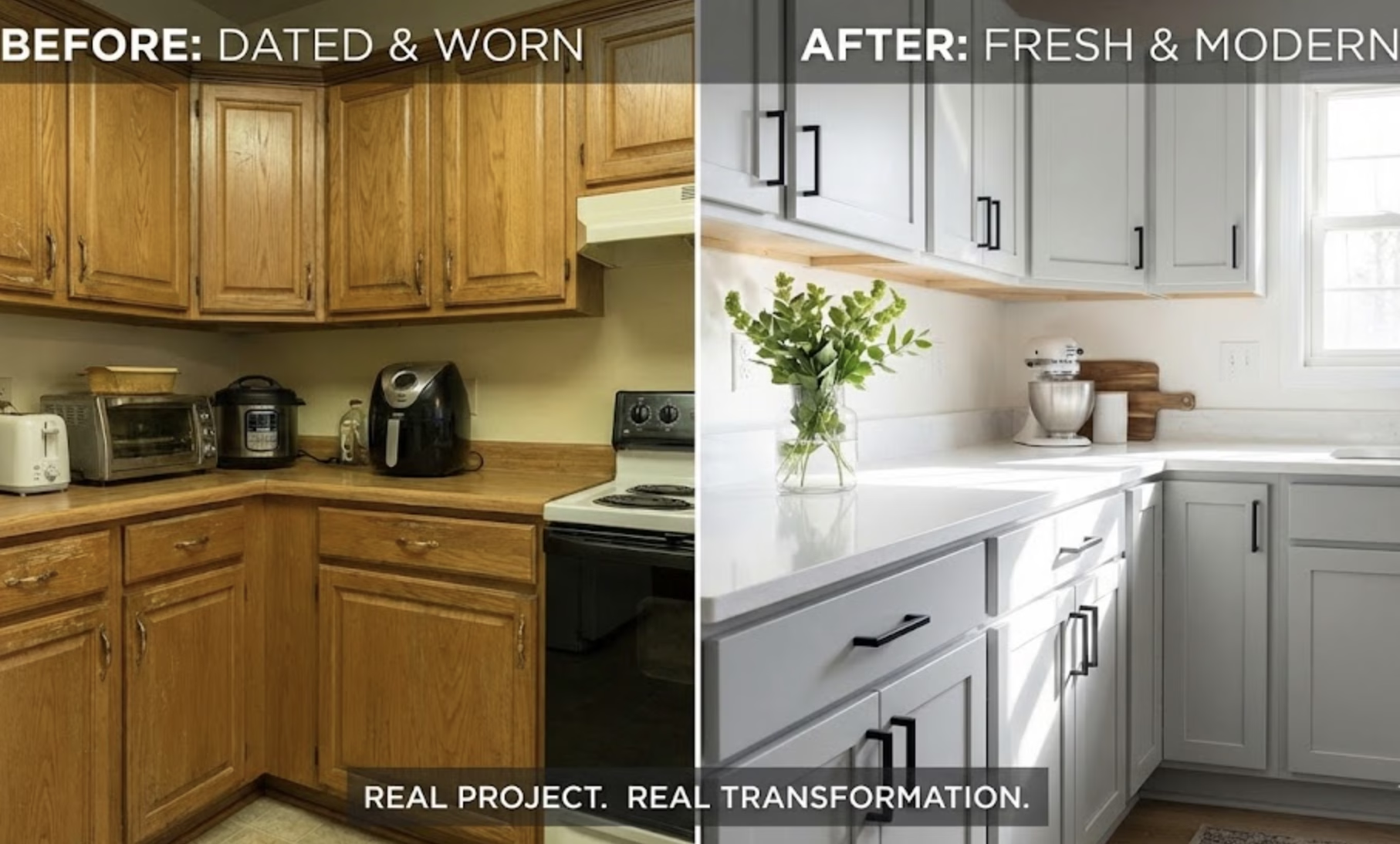
Forget fancy branding. Facebook rewards simple transformation visuals and clarity. Whether you use a marketing agency for your Facebook ads or you do it all by yourself, these are the best pointers to get you started.
Best-performing creative formats
- before/after photo pairs
- quick 8–15 second walkthrough videos
- carousel: before → mid → after
- single photo of a finished room with good lighting
What to avoid
- stock photos – or worse… AI
- photos with bad lighting or clutter
- “we’re the best painter in town” claims without social proof
- too much text on the image
A simple creative rule
If the homeowner can’t instantly tell what changed and isn’t relatable, the ad won’t stop the scroll.
Lead Forms: The #1 Facebook Marketing Strategy to Improve Lead Quality
The lead form is where most painters win or lose. The goal isn’t to get the most leads possible. The goal is to get leads you can close.
Use an Intent Filter with 3 questions
Add these questions directly inside the lead form:
- What are you looking to paint? (interior / exterior / cabinets)
- What area are you in? (city/neighborhood)
- When do you want the work done? (ASAP / 2–4 weeks / 1–3 months)
This reduces those tire-kickers and helps you prioritize.
It also disqualifies the job seekers. If you’ve run FB ads in the past, you know what I’m talking about.
Add one value qualifier
If you’re getting lots of small jobs you don’t want them, add:
- Estimated project budget with ranges
Not everyone will answer perfectly, but it improves alignment.
Be VERY CAUTIOUS with setting minimums! That $200 door job, can turn into a Google Review, a referral or an increase in scope. In other words, do not set minimums and caulk block yourself from what could have been.
Targeting: What Works Without Overcomplicating
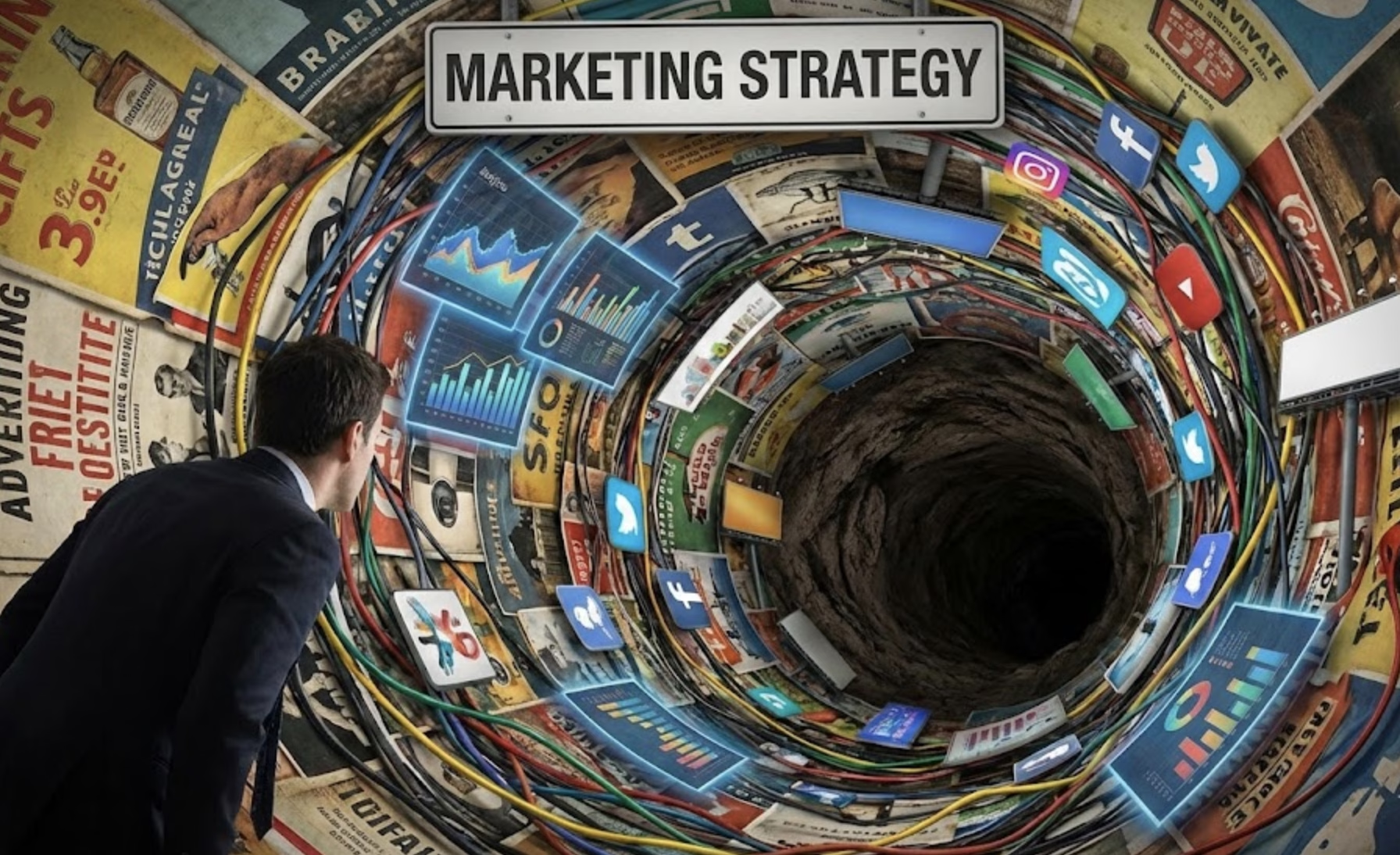
Facebook targeting can be a rabbit hole. Painters usually do best with simple, local targeting. And did you know that local Facebook painter keywords linking to your to your website, can actually improve your SEO?
Start with geography + homeowners
- tight radius around your service area or target zip/postal codes
- focus on homeowners (if available) and age ranges
- exclude areas you won’t service
Avoid hyper-niche interest stacking early
Interest targeting suggests, it doesn’t guarantee. Keep it simple, then improve based on results.
The real targeting lever is your creative & creativity
If your ad clearly shows a cabinet transformation, you’ll attract cabinet leads. If it shows exterior prep and finish, you’ll attract exterior leads. Throw your own little spin on things to catch more attention.
Use SEO Keywords to Help Your Facebook Ads Convert
Facebook ads work best when they send traffic to pages that match buyer intent. This tool helps you identify which painter keywords deserve dedicated landing pages before you spend on ads.
The Follow-Up Process That Turns Facebook Leads into Estimates

Facebook leads go cold faster than your ex’s mood swings. The faster you respond, the better you conversions to sales.
The 5-minute rule (seriously)
Aim to contact within 5 minutes during business hours. This will bow their socks off. Because most overthink the conversation and delay the call until they feel ready.
Move to scheduling quickly
Don’t chat forever. Ask a few questions to find motivation for painting and define scope. Then:
“Perfect. I can swing by for a quick quote. Is today or tomorrow better?”
Use a 3-touch sequence if they don’t respond
- Day 0: text + call with voicemail
- Day 1: text follow-up
- Day 3: final check-in
Most painters stop too soon. They are inches from gold.
Facebook Ad Mistakes Painters Make + Fixes

Mistake: One ad trying to sell everything
Fix: separate campaigns by job type.
Mistake: No lead form questions
Fix: add 3-5 simple qualifiers.
Mistake: Slow response
Fix: set notifications, assign one person, use quick scripts loaded into your phone.
Mistake: Weak proof
Fix: use real transformations and include reviews in follow-up.
Curious What Great Facebook Ads For Painters Look Like?
Schedule a complimentary session with Get Painter Leads to guide you through Facebook Ads for painting businesses that convert!
FAQ: Facebook Ads for Painters
Do Facebook ads for painters work?
Yes. Facebook ads can generate painting leads quickly, especially for interior, exterior, and cabinet projects. Results depend on creative, lead form questions, and fast follow-up.
What’s the best objective for Facebook ads for painters?
Lead generation with an on-platform lead form is often the fastest starting point for painters because it reduces friction. Once your system is working, you can test landing pages.
How do I improve lead quality from Facebook ads?
Use job-specific ads, tighten your service area targeting, add 3 lead form questions, and respond quickly. Lead quality improves more from filtering and follow-up than from “secret targeting.”
Should I send Facebook leads to a website or a lead form?
Lead forms usually perform better for speed and volume. A website can work if it’s fast, clear, and designed to convert, but it often adds friction.
How fast should I follow up with Facebook leads?
Within 5 minutes when possible. Speed-to-lead is one of the biggest factors in turning Facebook inquiries into booked estimates.